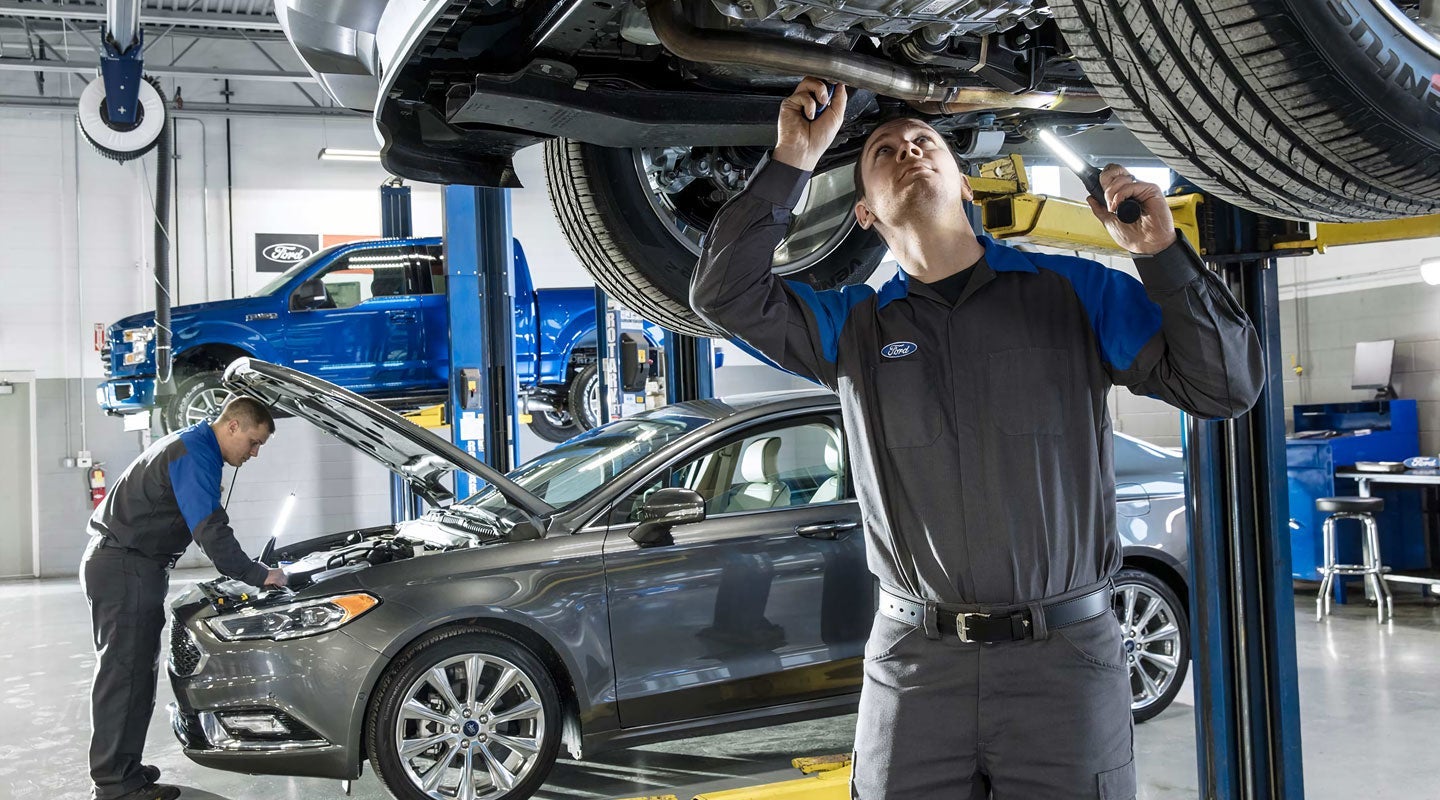


Getting To Know Hybrid Maintenance
Thinking about going hybrid but stuck wondering whether they’re a hassle to maintain? You’re not alone. At Crossroads Ford of Sumter, we’ve serviced just about every Ford hybrid under the sun, from the efficient Ford Escape Plug-in Hybrid to the powerful Ford F-150 PowerBoost®. After handling many oil changes, brake services, and battery checkups, we can confidently say that hybrid vehicle maintenance is often simpler, less frequent, and easier on your budget than you’d think. Sure, hybrids might carry a slightly higher upfront cost, but being equipped with features like regenerative braking, the long-term savings on fuel and upkeep often more than make up for it. In this guide, we’ll break down exactly what kind of maintenance a hybrid car needs, how it compares to gas-only vehicles, and share a few insider tips to keep your Ford hybrid running strong on South Carolina roads. Ready to make the switch? Come see us at Crossroads Ford of Sumter today!

How Hybrids Work to Reduce Wear and Tear
At first glance, hybrids may seem more complex, since they blend a gas engine with electric power. But don’t let that fool you into thinking they’re high-maintenance. This efficient combination actually reduces the stress on the engine and reduces wear on parts such as brake pads. This is because the electric motor picks up the slack at low speeds and during idle time, which places less stress on the engine. Hybrid vehicle maintenance tends to be more predictable than you'd expect, with many key components lasting longer than those in traditional gas vehicles.
Your Hybrid Vehicle Maintenance Checklist
Hybrids share many maintenance needs with traditional vehicles, but they also benefit from smart design features that lighten the load. For example, while conventional cars require frequent oil changes, hybrid vehicle maintenance allows your ride to go longer between services, due to their efficient use of electricity and regenerative braking. If you’ve ever asked, "What maintenance does a hybrid car need?," this is your go-to checklist.
Oil Changes: Most hybrid drivers can go 7,500 to 10,000 miles between oil changes, compared to the 5,000-mile rule for many gas cars.
Brakes: Thanks to regenerative braking, hybrids use their electric motor to slow down before the brake pads even get involved. This reduces the heat and wear on the brake pads, making them last longer. That means your brakes could last over 100,000 miles.
Cooling Systems: Just like with any car, hybrids need routine coolant checks to keep both the engine and electric components running at safe temperatures. Regular checks are essential to ensure that the cooling systems are functioning properly during hybrid vehicle maintenance appointments.
Battery System Maintenance: Hybrid batteries are built to last, often well past 100,000 miles, and most come with long-term warranties. Keeping the hybrid's battery properly maintained is crucial for its longevity and performance. While battery replacement can be pricey, it’s rarely needed during typical ownership.
Transmission Fluid: Many hybrids feature electric or CVT transmissions, which have fewer moving parts and require less frequent service than traditional gearboxes. These components also benefit from routine hybrid vehicle maintenance to ensure smooth operation over time.
Cabin & Engine Filters, Wipers, & Tires: These maintenance items are standard across all vehicle types and remain unchanged in hybrids. However, it’s important to follow the manufacturer's suggested maintenance schedule for optimal performance.
Software Updates: Your hybrid’s technology does the heavy lifting, but sometimes your dealer may perform updates during regular service visits. These updates are often bundled into your regular hybrid vehicle maintenance schedule.

Breaking Down the Cost of Hybrid Upkeep
There’s a common belief that hybrids are pricey to keep up. But the truth? They’re often more affordable to maintain over time. Many components experience less wear, warranties tend to be generous, and there are fewer surprise repairs. Hybrids are known for their overall reliability, often experiencing fewer issues compared to conventional cars.
Fuel Savings & Smarter Driving with Hybrids
One of the biggest perks of going hybrid? Incredible fuel economy. Hybrids really shine in city driving, where stop-and-go traffic lets the electric motor take the wheel. How you drive can significantly impact the fuel efficiency and overall benefits of owning a hybrid vehicle. Pair smart driving habits, like gentle acceleration, consistent speeds, and letting regenerative braking do its thing, with regular hybrid vehicle maintenance, and you’ll stretch every gallon further. Not only will you save at the pump, but you’ll also reduce emissions and your environmental impact.
Hybrids vs. Gas Vehicles: Maintenance Comparison
While hybrids do have more tech under the hood, it doesn’t translate to more trips to the service center. In fact, we often hear, "Do hybrid cars require more maintenance than gas vehicles?," and the answer is no. With regular hybrid vehicle maintenance, many hybrid owners experience fewer service needs in the first several years. You’ll still need basics like tire rotations and oil changes, but overall, the upkeep tends to be easier and less costly.
Confidence Comes Standard With Hybrid Ownership
Wondering what kind of care a hybrid actually needs? The truth is, it’s less than you’d think, and a lot easier on your schedule and budget. Owning a hybrid vehicle comes with many advantages, including lower maintenance requirements and cost savings. At Crossroads Ford of Sumter, we’re here to help you feel confident when making the switch to hybrid. Whether you’re just browsing, already own a hybrid, or need expert service, our team is ready to help you navigate hybrid vehicle maintenance. Schedule your service today!